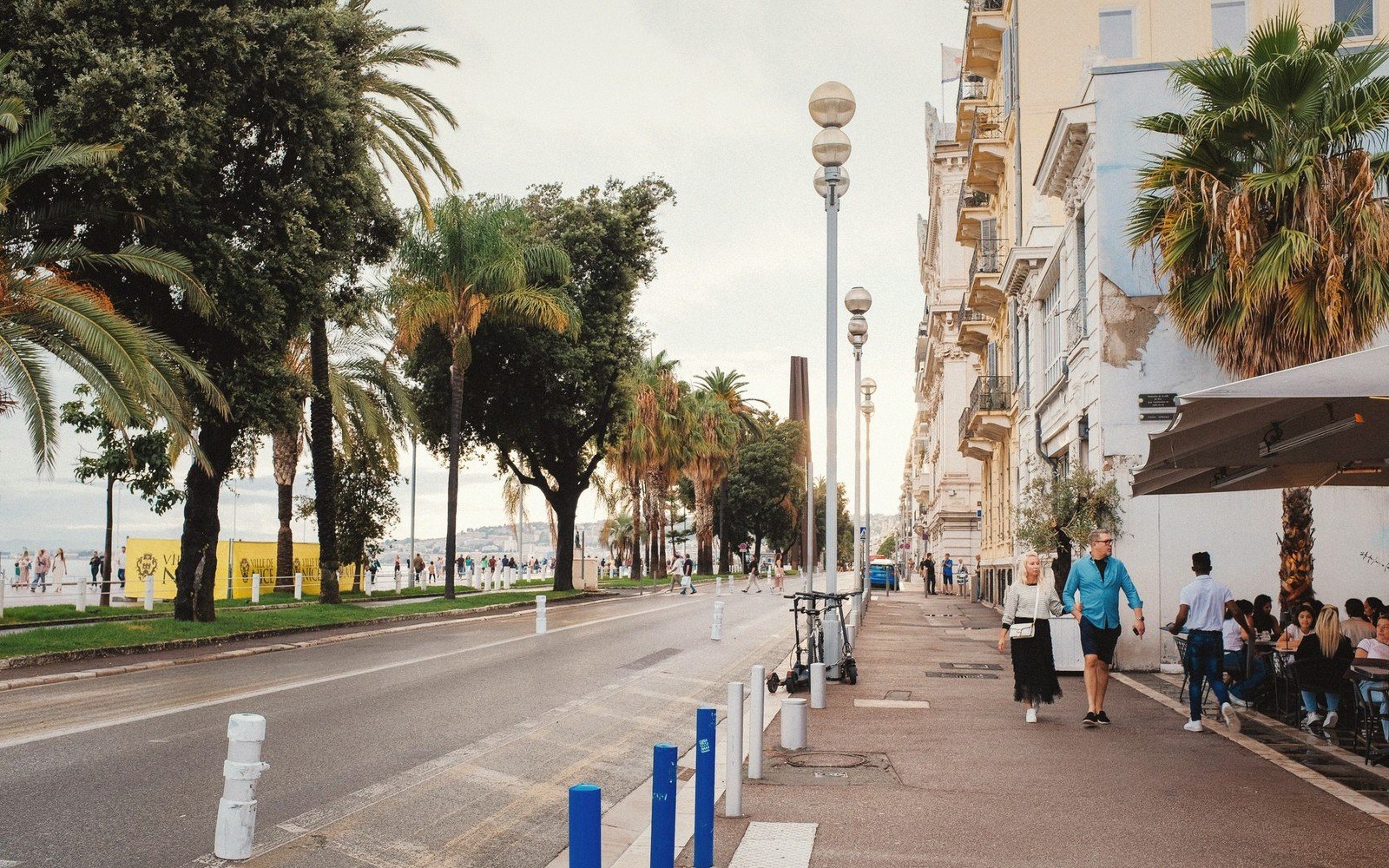
The palms lining the promenade aren't a stunt. They're evidence — of a microclimate, a Victorian obsession and a marketing masterstroke that stuck.
From Fishing Village to Fashionable Resort
Torquay's transformation from obscure Devon fishing village to one of Britain's most celebrated resorts was both accidental and remarkably swift. At the close of the eighteenth century, the settlement was little more than a scatter of cottages around a modest harbour, its economy tied to fishing and small-scale farming. What changed everything was war — specifically, the Napoleonic Wars, which from the 1790s effectively closed off mainland Europe to British travellers and forced the fashionable classes to seek their sunshine closer to home.
The Royal Navy's use of Torbay as a fleet anchorage brought officers' families to the area, and those families needed somewhere to stay. Villas began to climb the hillsides. Word spread among the gentry that the bay faced south, that its red-sandstone cliffs sheltered it from northern winds and that its winters were noticeably softer than most of England. Torquay's mild reputation was no invention: the town sits in a natural amphitheatre open to the sea, and the surrounding hills deflect cold air. Frost is genuinely rare; snow, rarer still. By the time peace returned to Europe, Torquay had acquired a taste for visitors — and visitors had acquired a taste for Torquay.
The coming of the railway in 1848 was the second great catalyst. What had been a long coach journey from London became a manageable day's travel, and the middle classes arrived in numbers that transformed the town. Hotels, terraces and promenades rose with Victorian energy. Pleasure gardens were laid out. The harbour was improved. Torquay styled itself — quite deliberately — as a place of refinement, health and beauty, somewhere that offered the restorative qualities of the Mediterranean without the inconvenience of crossing the Channel.
What changed everything was war — specifically, the Napoleonic Wars, which from the 1790s effectively closed off mainland Europe to British travellers and forced the fashionable classes to seek their sunshine closer to home.
The Riviera Comparison Takes Hold
The phrase "English Riviera" was not coined overnight. It emerged gradually through the nineteenth century as comparisons with the French and Italian coasts became a standard part of how Torquay was talked about and sold. Travel writers noted the blue water, the steep hills running down to sheltered coves and — crucially — the palms. The Torbay climate proved genuinely hospitable to Trachycarpus palms, which took root along the seafront and became the resort's most potent visual symbol. A palm tree in a Devon street said something that no amount of prose could quite match: this place is different.
The comparison was partly aspirational and partly accurate. Torbay cannot match the Côte d'Azur for summer temperatures, and it has never pretended to. What it offered was a version of southern European resort life — the light on the water, the scent of salt, the promenade culture — within reach of ordinary British incomes and, eventually, ordinary British holiday budgets. The late Victorian and Edwardian periods saw the resort reach its social peak: writers, artists and the prosperous classes filled its hotels each season, and the town's architecture from this era — the white stucco terraces, the steep garden suburbs, the ornamental gardens — still defines its character today.
Agatha Christie, born in Torquay in 1890, gave an inadvertent account of the town's Edwardian confidence in her autobiography, describing a secure, prosperous, sun-filled childhood that owed everything to the particular atmosphere of a resort at the height of its ambitions. The town has claimed her proudly ever since, and her connection to the coast threads through Torbay more deeply than most literary birthplaces manage.
The Name That Outlasted the Fashion
British seaside resorts fell sharply out of fashion across much of the twentieth century as cheap package holidays made the real Mediterranean accessible. Torquay was not immune. The grand hotels found the going harder; some were subdivided or demolished. The comparison to the Riviera that had once sounded flattering began, in certain mouths, to carry a faint irony.
Yet the underlying geography never changed, and neither did the microclimate. The palms are still there. Torre Abbey, the medieval monastery that later became a house and, eventually, the town's museum, still stands in its gardens by the seafront. The South West Coast Path still runs above red cliffs and into hidden coves. Brixham's harbour still lands fish. The same sheltered bay that attracted the fleet and the gentry continues to draw visitors — in larger numbers than ever, and with rather more expectation of good food and good coffee than the Victorians demanded of a seaside holiday.
"English Riviera" is now the official destination brand for the whole of Torbay — Torquay, Paignton and Brixham together — adopted formally and used by the local tourism authorities. It has outlasted the irony, largely because the nickname earns its keep. On a clear July afternoon, with the bay glittering below the palm-lined promenade and the red cliffs running south towards Berry Head, the resemblance is close enough. The Victorians were selling something real. The surprise, perhaps, is how well it has kept.
— How it unfolded
- 1790s onwardsNapoleonic Wars close Europe; officers' families settle around Torbay
- 1848railway arrives; middle-class tourism accelerates
- 1890Agatha Christie born in Torquay
- Late Victorian/Edwardian eraresort reaches social peak
- 20th centurypackage holidays erode British seaside trade
- Present"English Riviera" adopted as official Torbay destination brand
— People & places
Agatha Christie
crime writer born in Torquay 1890; world's best-selling novelist
Torre Abbey
medieval monastery on Torquay seafront, now museum with gardens
Trachycarpus palms
cold-hardy palms that grow on the Torquay seafront, key visual symbol
Torbay
the bay and local authority encompassing Torquay, Paignton and Brixham